

Growing up in Lahore gave me the opportunity to experience the city’s many different shades of life. Because we moved around so often, I ended up living in several different neighborhoods, each with its own distinct character. Yet my favorite part of Lahore has always been the historic quarter, more commonly known as “Old Lahore.” To me, it feels like a gateway into another era. Places I consider works of art, like the Badshahi Masjid, are more than architectural marvels—they remind me, and countless other Pakistanis, of who we are and where we come from.
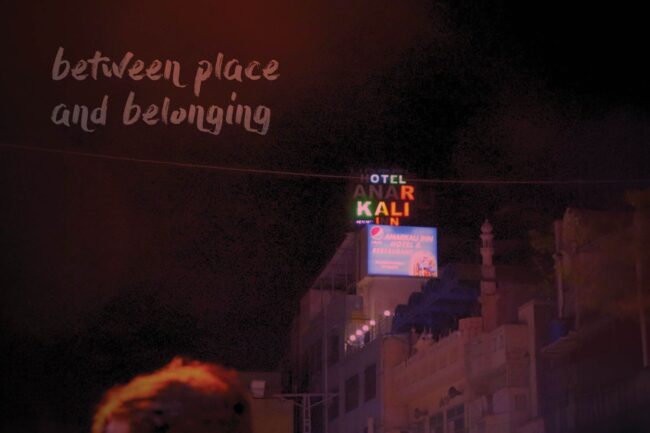
I think growing up is, in many ways, about finding a place where you truly belong. I’d argue that many Pakistanis today are navigating a search for cultural identity because we so often look elsewhere for our cultural reference points. The elite and upper classes frequently resonate with Hollywood films, while many others find themselves immersed in Turkish dramas or Indian cinema. There is nothing inherently wrong with appreciating stories from around the world, but I sometimes wonder whether we have become disconnected from the richness of our own cultural heritage. Whenever I catch sight of the Badshahi Masjid or wander through the streets of Anarkali, I am reminded that my sense of belonging has been here all along.
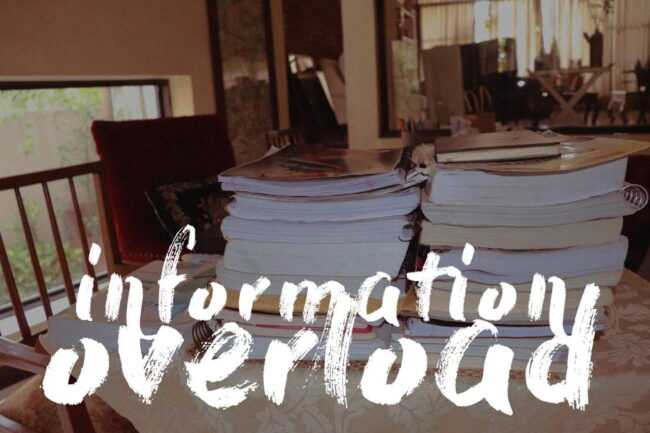
That is why I find it heartbreaking when parents discourage their children from pursuing artistic passions. While this is a universal experience for many young people, it is especially common in Desi households. From the age of four, many of us are placed into a system that I would argue is mistakenly labeled as “education.” Too often, the traditional education system functions more like a factory for conformity than a space for genuine learning. Driven by generational anxiety and the pursuit of social prestige, it channels students into a narrow definition of success—one that prioritizes rote memorization and high-status careers over curiosity, critical thinking, emotional intelligence, and artistic expression. In doing so, it risks treating students as future workers rather than as complex human beings, sacrificing creativity and mental well-being in the name of security and social acceptance.
Yet I would be lying if I claimed that my experience of Lahore has been defined only by criticism. It was through school that I met a wonderfully diverse group of people, each carrying a unique story. They have become some of the most meaningful parts of my life, and I feel incredibly fortunate to know them. They make life richer, and although it saddens me to think that one day our paths may naturally diverge, that bittersweet reality only deepens my appreciation for every memory we have shared.
As I continue to grow, I hope I never lose this sense of gratitude—for my city, for the people who have shaped me, and for the opportunities I have been given. More importantly, I hope I always have the courage to remain true to my own aspirations, even when they lead me away from the conventional academic and professional paths that society so often expects us to follow.